


Our Services
Comprehensive Clinical Physiotherapy & Biomechanical Restoration
At Active Aura Physiotherapy Center, our clinical care is founded on precision biomechanical diagnostics and targeted non-surgical interventions. Whether managing chronic vertebral disc degeneration, complex joint restriction, or traumatic sports injuries, every protocol is engineered to resolve the physiological root cause rather than temporarily masking discomfort.
Spine, Disc & Nerve Pathologies
Lumbar Disc Herniation, Bulge & Sciatica
Compression or posterior displacement of the L4-L5 or L5-S1 intervertebral disc puts direct mechanical pressure on the exiting sciatic nerve roots, causing sharp shooting pain radiating into the buttock, hamstring, and foot.
Clinical Objective: Unload the posterior disc annulus, centralize radiating pain, and rebuild intra-abdominal hydrostatic support through deep transverse abdominis co-activation.
Cervical Spondylosis, Facet Lock & Tech-Neck
Sustained forward-head postures cause chronic hypertonicity of the suboccipital musculature, loss of normal cervical lordosis, and premature facet joint wear. This leads to persistent neck stiffness, radiating shoulder blade pain, and chronic tension headaches.
Axial Spinal Decompression Therapy
Positional mechanical decompression applies gentle distraction force along the vertical axis of the lumbar or cervical spine. This creates localized negative pressure inside disc spaces, drawing back extruded material and promoting rapid nutrient influx for natural tissue healing.
Postural Kyphosis & Structural Scoliosis Care
Rounded upper-back posture and mild scoliotic curves overload thoracic facets, tighten pectoral muscles, and weaken deep postural stabilizers. We correct spinal alignment with thoracic extension work, rib mobilization, and progressive postural endurance training so sitting and standing become less fatiguing.
Cervicogenic Headaches
Headaches that start at the base of the skull and travel behind the eyes often originate from stiff upper-cervical joints and tight suboccipital muscles—not from the brain itself. Gentle upper-neck mobilization, soft-tissue release, and deep neck flexor activation reduce frequency and intensity of these referred headaches.
Sacroiliac (SI) Joint Dysfunction
Pain on one side of the low back or buttock that worsens with standing on one leg, rolling in bed, or climbing stairs often comes from SI joint irritation. We restore pelvic symmetry with targeted mobilization, muscle energy techniques, and glute–core co-activation to stabilize the pelvis during walking and lifting.
Cervicogenic Vertigo & Balance Disturbance
Dizziness linked with neck movement can stem from disturbed cervical proprioception after whiplash, stiffness, or poor posture. Treatment combines gentle cervical mobilization, gaze-stability drills, and balance re-training to reduce spinning sensations and rebuild confident movement.
Peripheral Joint & Mobility Rehabilitation
Frozen Shoulder (Adhesive Capsulitis) & Rotator Cuff
Progressive thickening and contracture of the glenohumeral capsule causes profound loss of elevation and external rotation. We implement stage-specific capsular stretching, posterior glides, and progressive eccentric loading of the supraspinatus tendon to eliminate impingement and restore overhead functional reach.
Knee Osteoarthritis & Degenerative Meniscus Tears
Cartilage breakdown and altered joint kinematics generate localized inflammation, joint effusion, and painful loading on stairs. Our specialized protocols restore patellofemoral tracking, increase synovial joint fluid circulation, and strengthen shock-absorbing kinetic chain muscles.
Hip Impingement, Labral Irritation & Bursitis
Pinching in the groin during squats, sitting, or crossing the legs often reflects femoroacetabular impingement or inflamed bursae around the hip. Care focuses on hip capsule mobility, glute medius strengthening, and movement re-patterning so daily walking and stair climbing feel smoother and less guarded.
Chronic Ankle Instability & Achilles Tendinopathy
Recurring inversion sprains damage anterior talofibular ligaments, leaving proprioceptive deficits and unstable balance. We combine mechanical talocrural joint distraction, neuromuscular wobble-board training, and heavy-slow resistance protocols for collagen remodeling.
Tennis Elbow & Golfer's Elbow
Pain on the outer or inner elbow from gripping, lifting, or computer mouse use is usually tendon overload, not a bone problem. Progressive tendon loading, forearm soft-tissue release, and grip/ergonomic coaching calm irritation and rebuild tendon capacity for work and sport.
Plantar Fasciitis & Heel Pain
Sharp first-step morning heel pain is classic plantar fascia overload. Treatment combines calf and plantar release, graded loading of the fascia, footwear guidance, and intrinsic foot strengthening so walking and standing become comfortable again.
Sports Trauma & Post-Surgical Recovery
Post-Operative ACL, Meniscus & Joint Reconstruction
Following orthopedic surgery, systematic rehabilitation is crucial to prevent graft failure and eliminate compensatory limping. We guide patients through 4 objective milestone phases: Early terminal extension > Hypertrophy & single-leg symmetry > Plyometrics & deceleration control > Biomechanical return-to-play clearance.
Hamstring, Calf & Muscle Tears
Sudden pulls during sprinting or change of direction create muscle fiber disruption, bruising, and fear of re-injury. Early protection is followed by progressive lengthening under load, eccentric strength work, and sprint mechanics coaching so athletes return with lower re-tear risk.
Biomechanical Running Gait & Movement Analysis
Overstriding, pelvic drop, and poor cadence are primary contributors to shin splints, plantar fasciitis, and IT band friction syndrome. We analyze your cadence, ground reaction force, and foot strike to correct movement flaws and maximize athletic endurance.
Return-to-Sport Clearance Protocols
Feeling “almost ready” is not the same as being cleared. We use objective strength symmetry, hop tests, deceleration control, and sport-specific drills to decide when it is safe to resume training and competition—reducing the chance of early re-injury.
IT Band Friction Syndrome
Outer-knee pain that builds with running distance often comes from hip–pelvis control deficits, not the IT band alone. We address glute weakness, cadence, and lateral chain mobility so runners can increase mileage without the sharp outer-knee burn returning.
Fascia Therapy
Fascia Therapy & Myofascial Release
Fascia is the connective-tissue web around muscles and joints. When it tightens or sticks after injury or long sitting, movement feels blocked and pain can travel in bands. Hands-on fascia therapy restores tissue glide, eases deep tightness that stretching alone cannot fix, and helps joints move more freely again.
Cupping Therapy
Therapeutic Cupping
Cupping uses controlled suction to lift skin and soft tissue, decompressing tight areas and improving local blood flow. It is useful for stubborn back, neck, and shoulder tightness, muscle guarding after overuse, and recovery when massage alone is not enough.
Chiropractic Joint Alignment
High-Velocity Chiropractic Spinal Alignment
Precise, short-lever manual adjustments relieve restricted facet joints, normalize mechanoreceptor firing, and restore physiological joint movement through the spine and pelvis. Used when segmental stiffness limits motion or contributes to referred pain.
Dry Needling & Trigger Points
Clinical Dry Needling
Fine sterile filiform needles target deep neuromuscular trigger points to release hypertonic muscle bands, clear metabolic waste, and restore local circulation. Often combined with movement rehab for lasting relief of stubborn knots and referred pain.
Neuromuscular Re-Education
Neuromuscular Control & Motor Retraining
After pain or injury, the brain–muscle timing pattern often stays guarded even when tissue has healed. Neuromuscular re-education rebuilds accurate activation, balance, and coordination so movement feels stable and natural again—critical after spine, knee, and ankle problems.
Workplace Ergonomics
Desk, Screen & Workplace Setup Guidance
Long hours at a desk drive neck, shoulder, and low-back strain. We assess chair height, screen position, keyboard reach, and break habits, then give simple setup changes and micro-mobility routines that protect your recovery between clinic visits.
Frequently Asked Clinical Questions
In large volume clinics, patients frequently see different junior therapists or assistants each visit, leading to disjointed treatment. At Active Aura, 100% of your evaluations, adjustments, and rehabilitation exercises are personally conducted by Dr. Neeraj Mewada, guaranteeing unmatched continuity of care and faster recovery milestones.
Yes. Over 90% of lumbar disc bulges and sciatic nerve compressions respond successfully to conservative biomechanical care. By utilizing non-surgical decompression, directional preference extension protocols, and deep core stabilization, we alleviate nerve impingement and help the disc remodel naturally without surgical intervention.
No. Physiotherapists are primary contact healthcare practitioners. You can book an evaluation directly without a physician referral. If imaging (MRI or X-ray) or surgical co-management is necessary, we coordinate closely with leading orthopedic specialists.
While significant pain relief is typically achieved within the first 1 to 3 sessions, full structural restoration depends on chronicity. Acute muscular sprains often resolve in 4 to 6 sessions, whereas chronic spinal disc herniations or post-surgical ACL reconstructions follow structured 8 to 16 week progressive rehabilitation pathways.
More Services
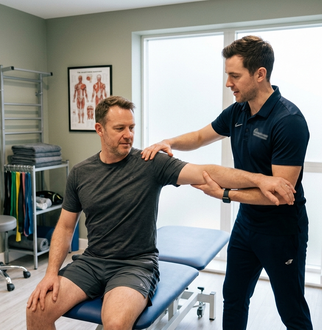
Physiotherapy
Personalized treatment plans to restore strength, flexibility,& function helping.
Read More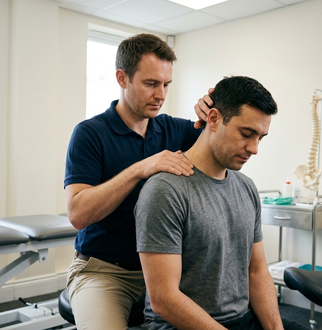
Chiropractic Care
Gentle, precise spinal adjustments to relieve discomfort, improve alignment
Read More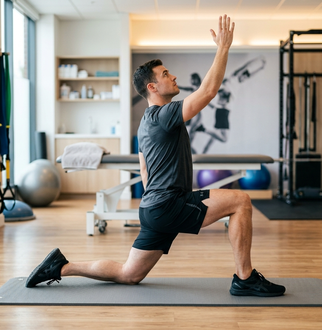
Sports Injury Rehabilitation
Targeted therapy to heal sports-related injuries and get you back to peak.
Read MoreReady to Take the First Step Toward a Pain-Free Life?
Don't let pain or limited movement hold you back any longer. Dr. Neeraj Mewada is here to help you recover, strengthen, and thrive.